Planning a Covered Feedlot
A Practical Guide for Australian Producers
Planning a covered feedlot is about much more than selecting a structure. The decisions made before construction begins can influence livestock welfare, operational efficiency and the long-term performance of your operation for decades to come.
Everything from site selection and building orientation to ventilation, drainage, livestock movement and future expansion contributes to how effectively a covered feedlot performs. Taking the time to understand these factors early can help reduce project risk, improve operational efficiency and create infrastructure that’s designed around the way your operation works.
As more Australian producers look to improve consistency, efficiency and livestock welfare, covered feedlots are becoming an increasingly important part of modern feedlot operations. While every project is different, the most successful outcomes are usually the result of careful planning rather than quick decisions.
This guide has been developed to help producers understand the planning process before committing to a project. It brings together the key considerations involved in designing covered feedlot infrastructure, providing practical information to help you make informed decisions from the earliest stages of planning.
Whether you’re exploring the idea of a covered feedlot, expanding an existing operation or preparing for your next investment, this guide will walk you through the major planning considerations, explain why they matter and point you towards more detailed resources where you can continue your research.
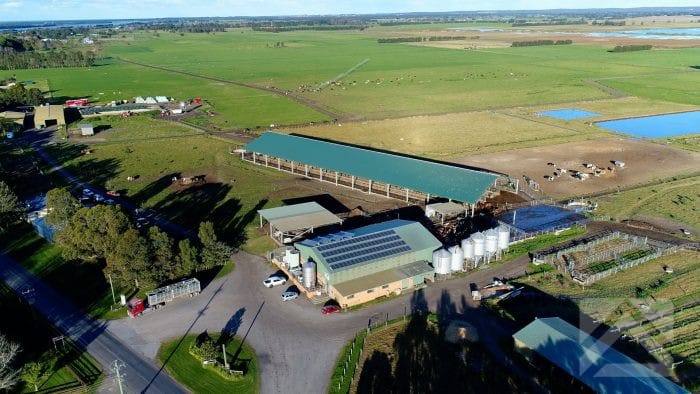
What You’ll Learn
Planning a covered feedlot is a journey that involves a series of interconnected decisions. Throughout this guide, you’ll gain an understanding of the planning, design and operational considerations that influence the long-term success of covered feedlot infrastructure.
Topics covered include:
- Why more Australian producers are investing in covered feedlots.
- Setting clear objectives before planning begins.
- Choosing the right site and planning for future growth.
- Feedlot layout, building orientation and natural ventilation.
- Roof design and structural engineering considerations.
- Drainage, effluent management and environmental planning.
- Livestock welfare, stocking density and operational efficiency.
- Planning approvals and regulatory considerations.
- The factors that influence project costs and long-term return on investment.
- Maintaining covered feedlot infrastructure throughout its lifecycle.
Why Covered Feedlots Are Growing
Covered feedlots are becoming an increasingly important part of modern livestock production as producers look for ways to improve livestock welfare, operational efficiency and the long-term sustainability of their operations. While every feedlot has different objectives, many are recognising the value of infrastructure that helps create more consistent operating conditions throughout the year.
A well-planned covered feedlot is about much more than providing shade. When designed around the specific requirements of the operation, it can help support natural ventilation, improve cattle comfort, protect feed resources, streamline daily management and create a more controlled working environment for both livestock and staff.
Changing seasonal conditions are also influencing how producers approach feedlot design. Heat events, prolonged dry periods and unpredictable weather patterns can all affect livestock performance and day-to-day operations. Investing in well-designed infrastructure allows producers to better manage these challenges while creating facilities that continue to perform across changing conditions.
For many producers, the decision to build a covered feedlot is also driven by long-term operational planning. Infrastructure designed around efficient livestock movement, feed delivery, machinery access and future expansion can help improve productivity while providing the flexibility to adapt as operational requirements evolve.
Ultimately, the success of a covered feedlot isn’t determined by the structure alone. It’s influenced by the planning decisions made before construction begins. Understanding how design, engineering and operational considerations work together creates the foundation for infrastructure that supports both livestock and business performance well into the future.
Defining Your Objectives
Every covered feedlot project begins with a different set of objectives. While the structure itself is important, the decisions that shape the project should always be guided by the outcomes you want to achieve.
For some producers, the priority may be improving livestock welfare through better shade, ventilation and more consistent environmental conditions. Others may be looking to improve operational efficiency, reduce feed losses, increase carrying capacity or prepare their operation for future expansion. Understanding these objectives from the outset provides a clearer direction for every planning and design decision that follows.
Taking the time to define your goals early also helps align the structural design with the way your feedlot operates. Factors such as herd size, feeding systems, machinery movements, pen layouts and daily workflows all influence how the infrastructure should be planned. Rather than adapting your operation to suit the building, the building should be designed to support your operation.
When defining your project objectives, consider questions such as:
- What challenges are you trying to solve?
- How many head do you need to accommodate today and in the future?
- How will cattle move safely and efficiently through the feedlot?
- How will feed be delivered, stored and managed?
- What level of machinery access is required?
- Will the project form part of a staged expansion?
- How can the design support efficient day-to-day management over the next 10 to 20 years?
Establishing these priorities before concept design begins helps create a stronger foundation for the entire project. It allows structural, operational and future planning considerations to work together, resulting in a feedlot that’s designed to support both current performance and long-term operational success.
Choosing the Right Site
Selecting the right site is one of the most important decisions when planning a covered feedlot. While the structure itself plays a significant role, the characteristics of the site will influence everything from ventilation and drainage to livestock movement, operational efficiency and future expansion.
A well-chosen site should support the way your feedlot operates both today and into the future. Existing topography, prevailing winds, vehicle access, feed delivery routes, drainage patterns and the location of supporting infrastructure all contribute to how effectively the facility will perform over its lifetime.
Natural ventilation should be considered early when assessing a site. Positioning the feedlot to take advantage of prevailing winds can help promote consistent airflow throughout the pens, supporting livestock comfort and reducing the reliance on mechanical ventilation. Similarly, understanding natural water movement across the site allows drainage and effluent management to be incorporated into the overall design rather than addressed after construction.
Operational access is another critical consideration. Feed trucks, livestock transport, maintenance vehicles and machinery all require safe and efficient movement throughout the facility. Planning these traffic flows from the outset helps minimise operational disruptions while supporting safer day-to-day management.
It’s equally important to consider how the site may need to evolve over time. Allowing space for additional pens, feed storage, handling facilities or supporting infrastructure during the initial planning stage can help reduce future costs and minimise disruption as your operation grows.
When evaluating a potential site, consider:
- Existing land contours and natural drainage.
- Prevailing wind direction and opportunities for natural ventilation.
- Safe access for livestock, machinery and feed delivery.
- Integration with existing feedlot infrastructure.
- Space for future expansion.
- Environmental and planning requirements.
- Access to essential services and utilities.
Selecting the right site provides the foundation for every decision that follows. Taking the time to assess these factors early helps create a feedlot that’s easier to operate, more efficient to manage and better positioned to support long-term performance.
Designing Your Covered Feedlot
Once you’ve selected a suitable site and established your project objectives, the next step is designing a feedlot that supports the way your operation functions. While every feedlot is different, the most successful designs consider the relationship between livestock welfare, operational efficiency and long-term performance rather than focusing on the structure alone.
Good feedlot design brings together a range of planning decisions that influence how the facility will operate every day. Building orientation, pen layouts, ventilation, roof design, machinery access and future expansion all work together to create a feedlot that supports efficient management while providing comfortable conditions for livestock.
Rather than viewing these elements as individual decisions, they should be considered as part of an integrated design process. Changes to one aspect of the design often influence another. For example, building orientation affects natural ventilation, which in turn influences livestock comfort. Likewise, pen layouts impact livestock movement, machinery access and feed delivery, all of which contribute to operational efficiency.
A well-designed covered feedlot should also provide the flexibility to adapt as operational requirements change. Allowing for future expansion, changes in stocking numbers or additional infrastructure during the initial planning stage can help protect your investment and reduce disruption in the future.
The following sections explore the key design considerations that influence the performance of a covered feedlot.
Feedlot Layout Design
The layout of a covered feedlot influences almost every aspect of day-to-day operations. Well-planned pen configurations, feed bunk locations, livestock movement pathways and machinery access help create a safer, more efficient working environment while supporting livestock welfare.
Effective layouts are designed around the way the operation functions rather than simply fitting the available space. Considering operational workflows early helps improve efficiency today while allowing flexibility for future expansion.
Ventilation
Natural ventilation plays a critical role in maintaining comfortable conditions throughout a covered feedlot. Building width, roof design, ridge openings and orientation all influence how air moves through the structure, helping manage heat, moisture and air quality.
Designing for consistent airflow from the beginning helps create healthier environments for livestock while supporting reliable day-to-day performance.
Roof Design
Roof design contributes to much more than weather protection. Roof pitch, clear spans, ridge design and overhangs all influence natural ventilation, structural efficiency and the overall performance of the facility.
Selecting an appropriate roof design should consider both current operational requirements and the long-term needs of the feedlot.
Building Orientation
Orientating a covered feedlot correctly allows the structure to take advantage of prevailing winds, natural sunlight and site conditions. This can improve ventilation, reduce heat build-up and create more consistent conditions throughout the feedlot.
Considering orientation during the planning stage often delivers long-term benefits that cannot easily be achieved once construction begins.
Structural Engineering
Every covered feedlot should be engineered to suit its site conditions, operational requirements and intended use. Structural engineering considers factors such as wind loads, roof spans, durability, future maintenance and long-term performance, helping ensure the infrastructure performs reliably for many years.
Engineering should support the overall design rather than be treated as a separate step, allowing structural performance and operational outcomes to work together.
Planning for Livestock Welfare & Operational Performance
The long-term success of a covered feedlot depends on more than structural design alone. Every planning decision should consider how the facility will support livestock welfare while enabling safe, efficient and practical day-to-day operations.
Well-designed feedlots create environments where livestock can access feed and water comfortably, move through the facility with minimal stress and remain protected from challenging weather conditions. At the same time, the infrastructure should support efficient feeding, maintenance, cleaning and livestock management, helping improve productivity across the entire operation.
Many of the factors that influence livestock welfare are established during the planning stage. Ventilation, shade, stocking density, pen layout and drainage all work together to create conditions that support livestock comfort and operational performance. When these elements are considered as part of an integrated design, they contribute to a feedlot that’s easier to manage and better equipped to perform over the long term.
The following planning considerations play an important role in creating successful covered feedlot infrastructure.
Livestock Welfare
Livestock welfare is influenced by the environment created within the feedlot. Appropriate shade, natural ventilation, comfortable resting conditions and efficient layouts all contribute to reducing environmental stress while supporting consistent day-to-day performance.
Planning for livestock welfare from the outset helps ensure the infrastructure supports both animal wellbeing and operational objectives.
Stocking Density
Determining the appropriate stocking density is an important part of feedlot planning. The amount of space allocated to each animal influences livestock comfort, feeding efficiency, ventilation and the overall operation of the facility.
Planning for current and future stocking requirements helps ensure the feedlot continues performing as operational demands change.
Shade vs Shelter
While both shade and shelter provide protection for livestock, they serve different purposes within a feedlot environment. Understanding when each is appropriate helps producers make informed decisions about the type of infrastructure best suited to their operation.
Covered feedlots are typically designed to provide more than shade alone, creating environments that support ventilation, operational efficiency and long-term livestock welfare.
Drainage & Effluent Management
Effective drainage and effluent management are fundamental to the long-term performance of any feedlot. Water movement, runoff management and site drainage should be considered during the earliest stages of planning to help maintain cleaner conditions, protect infrastructure and support efficient day-to-day operations.
Integrating drainage into the overall feedlot design is generally more effective than attempting to address these requirements after construction has begun.
Environmental & Approval Considerations
Planning a covered feedlot involves more than structural design. Environmental considerations, planning approvals and site-specific requirements should all be addressed early to help create a smoother project and reduce the likelihood of costly delays or design changes later.
Every site is different, and the planning requirements for a covered feedlot can vary depending on the location, the scale of the operation and the applicable regulatory framework. Understanding these requirements before design begins helps ensure environmental, operational and structural considerations are aligned from the outset.
By incorporating environmental planning into the early stages of a project, producers can make more informed decisions about site selection, drainage, effluent management and future expansion while providing greater certainty throughout the design and approval process.
The following topics are key considerations when planning covered feedlot infrastructure.
Environmental Requirements
Environmental planning is an important part of developing a covered feedlot. Site characteristics, drainage, runoff management and surrounding land uses should all be considered during the planning stage to help create infrastructure that performs efficiently while supporting responsible environmental management.
Early planning also provides an opportunity to identify site constraints and incorporate practical solutions before detailed design begins.
Planning Approvals
Approval requirements can vary depending on the location, size and scope of the project. Understanding the planning pathway early helps producers prepare the information required for approvals while reducing the likelihood of delays during the project.
Engaging with the appropriate consultants and stakeholders early in the planning process can help streamline approvals and provide greater certainty before construction begins.
Structural Engineering
Structural engineering brings together the planning, environmental and operational requirements of the project to create a building that performs safely and reliably throughout its lifecycle.
Factors such as wind loading, roof spans, structural durability and the operational demands of the feedlot all influence the engineering approach. Considering these requirements alongside site planning and operational objectives helps ensure the infrastructure supports both current needs and future growth.
Investment & Long-Term Performance
A covered feedlot is a significant long-term investment, making it important to consider not only the initial construction but also how the infrastructure will support your operation for years to come. Decisions made during the planning stage can influence operating efficiency, maintenance requirements, future expansion opportunities and the overall value of the investment.
Rather than focusing solely on upfront costs, it’s worth considering the broader picture. A well-planned feedlot can help streamline daily operations, improve livestock management, reduce future modifications and provide greater flexibility as your business evolves. By planning for both current and future requirements, producers can create infrastructure that continues delivering value throughout its lifecycle.
The following considerations can help guide long-term investment decisions.
Covered Feedlot Costs
Every covered feedlot is different, which means project costs vary depending on factors such as the size of the development, site conditions, structural design, engineering requirements and the level of supporting infrastructure required.
Understanding these cost drivers early helps producers establish realistic project expectations and make informed decisions throughout the planning process.
Return on Investment
The value of a covered feedlot extends beyond the structure itself. Improvements to livestock welfare, operational efficiency, feed management and future scalability can all contribute to the long-term performance of the operation.
While every feedlot is different, considering the operational benefits alongside the capital investment provides a more complete understanding of the project’s overall value.
Planning for Future Expansion
Many producers build with future growth in mind. Considering expansion opportunities during the initial planning stage can make it easier to increase capacity, extend infrastructure or integrate additional facilities as operational requirements change.
Allowing for future development within the original site layout often provides greater flexibility while reducing disruption and construction costs later.
Feedlot Maintenance
Well-designed infrastructure should be planned with long-term durability and ongoing maintenance in mind. Considering structural materials, operational access and the day-to-day demands of the feedlot during the design stage helps create facilities that are practical to maintain and continue performing throughout their service life.
Regular inspection and maintenance also play an important role in protecting the long-term value of your investment.
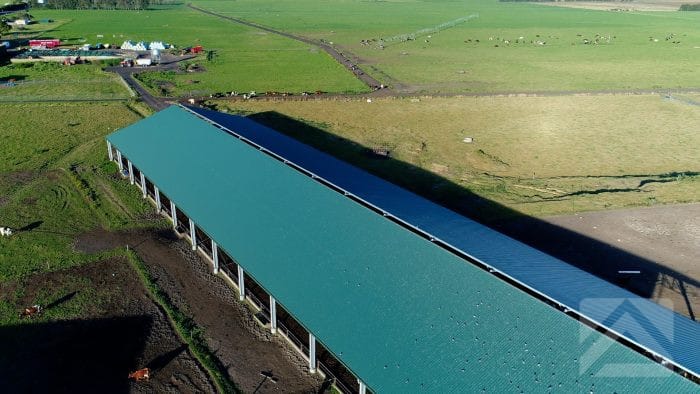
The answer depends on your production system, operational objectives and long-term plans. A covered feedlot can help support livestock welfare, operational efficiency and more consistent operating conditions, but the most suitable solution will depend on the way your feedlot operates.
Before design begins, it’s important to understand your operational objectives, herd numbers, site conditions and future growth plans. Early planning should also consider ventilation, layout, drainage, machinery access and environmental requirements to help create infrastructure that’s designed around your operation.
Some of the most common mistakes include selecting a site without considering drainage, overlooking natural ventilation, designing only for current herd numbers and leaving future expansion until after construction. Taking a whole-of-operation approach during planning helps reduce these risks.
While every operation is different, it’s often more cost-effective to allow for future growth during the initial planning stage than to redesign the site later. Considering additional pens, feed storage, livestock handling areas and operational access early provides greater flexibility as your operation evolves.
Project costs are influenced by factors such as building size, site conditions, structural design, engineering, drainage, supporting infrastructure and the overall complexity of the development. Understanding these factors early helps establish realistic project expectations.
Approval requirements vary depending on the location, size and scope of the project. Planning and environmental requirements should be considered early to help minimise delays and provide greater certainty before construction begins.
The best time to begin planning is well before construction is required. Starting early provides more time to assess your site, develop the design, obtain approvals and coordinate engineering, helping reduce pressure on project delivery.
Bringing Your Plans Together
Planning a covered feedlot is about making informed decisions before construction begins. Every choice, from site selection and layout to ventilation, drainage and future expansion, contributes to how the facility will perform over its lifetime.
By taking a planning-first approach, you can create infrastructure that’s designed around your operation, supports livestock welfare and provides the flexibility to adapt as your business evolves. Investing time in the planning stage helps reduce uncertainty, improve long-term outcomes and build with greater confidence.
Whether you’re exploring your options or preparing for your next investment, understanding these planning considerations is the first step towards creating a covered feedlot that’s built for long-term success.
Ready to Discuss Your Project?
No two feedlot operations are the same, which is why every project begins with understanding your objectives, site conditions and operational requirements.
At TechSpan, we work alongside producers to develop covered feedlot solutions that balance livestock welfare, operational efficiency and long-term structural performance. If you’re ready to move from planning to the next stage, we’re here to help.