Feedlot Solutions
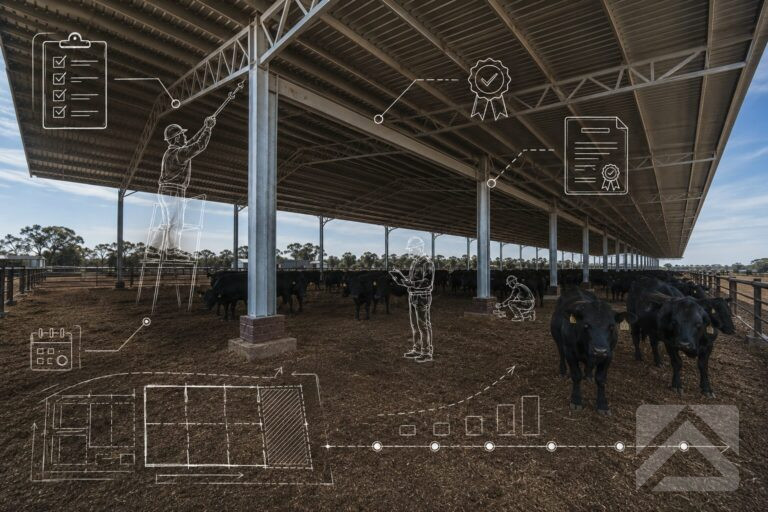
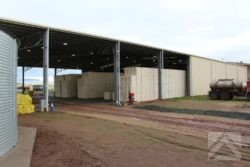
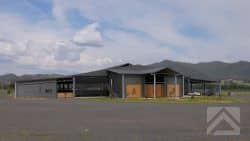
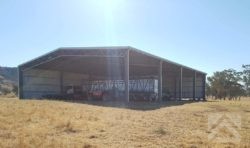
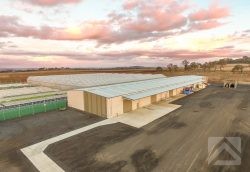
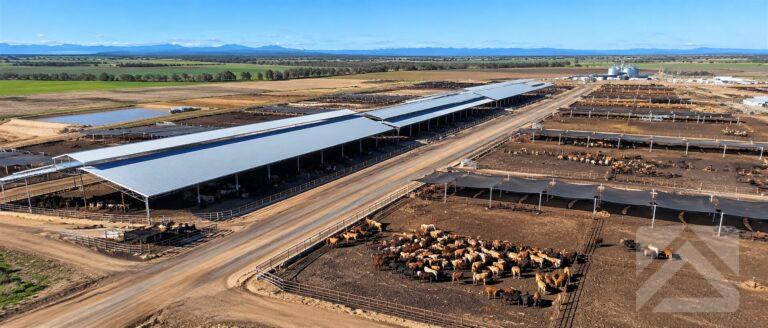
Your feedlot cover and infrastructure should do more than provide shade. It should support livestock welfare, promote natural ventilation, improve operational efficiency and create a facility that continues performing for decades.
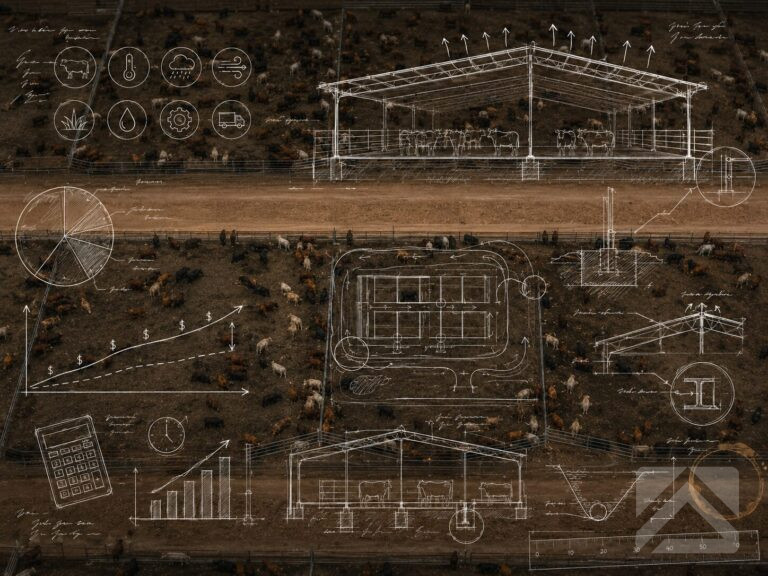
Planning a feedlot involves far more than selecting a structure. Building orientation, roof design, ventilation, livestock movement, drainage, machinery access and future expansion all influence how efficiently your operation performs.
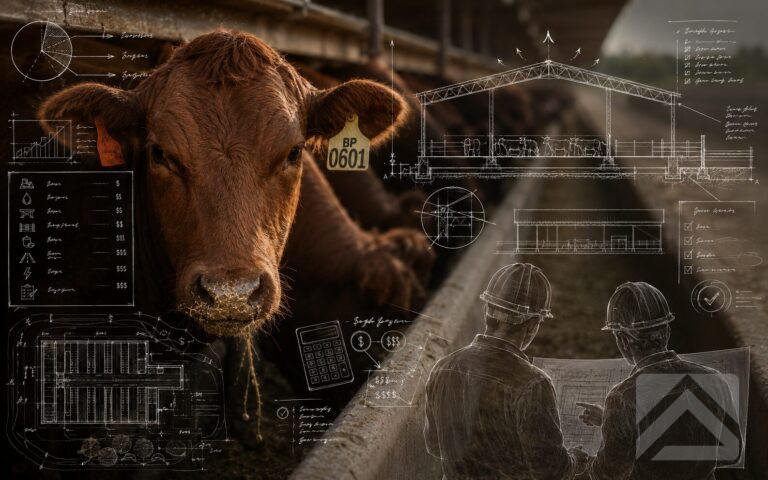
Whether you're developing a new feedlot or expanding an existing operation, TechSpan designs engineered feedlot solutions around your livestock, operational requirements and long-term objectives. Through our proven Concept → Configure → Construct process, we help operators make informed structural decisions early, creating feedlot infrastructure designed for performance, efficiency and future growth.
We understand feedlot operations.
Every feedlot operates differently, and no two sites have the same operational requirements.
Successful feedlot infrastructure is shaped by much more than building size. Livestock numbers, stocking density, prevailing winds, ventilation, feed delivery, machinery access, drainage and future expansion all influence how efficiently a feedlot performs over its lifetime.
That's why every TechSpan feedlot solution begins with understanding how your operation works. Using our proven 3C Advantage, we help align structural design with your operational objectives, creating feedlot infrastructure that supports livestock welfare, day-to-day efficiency and long-term performance.
Planning a successful feedlot involves far more than selecting a building.
Decisions around ventilation, livestock welfare, layout, drainage and operational efficiency all influence how your feedlot will perform over the long term. Explore some of the key considerations below.
-
Ventilation
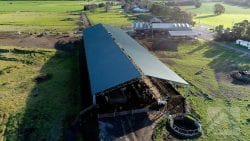
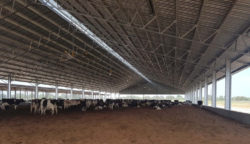
Good ventilation is one of the most important considerations when planning covered feedlot infrastructure. Building orientation, roof design, ridge ventilation and natural airflow all influence heat, moisture and air quality, helping create a healthier environment for livestock throughout the year.
Every TechSpan feedlot solution is designed to promote effective natural ventilation while considering your site conditions, operational layout and future growth.
Why it matters:
Effective ventilation helps reduce heat stress, improve air quality and support more consistent livestock welfare and operational performance.
-
Livestock Welfare
Livestock welfare is influenced by much more than shade alone. Ventilation, protection from the elements, pen conditions and overall feedlot design all contribute to creating a more stable environment that supports livestock comfort and performance.
We design feedlot solutions that consider these factors together, helping create infrastructure that supports livestock throughout the year.
Why it matters:
Well-planned infrastructure helps support calmer livestock, more consistent conditions and improved day-to-day management.
-
Is drought a good time to build feedlot infrastructure?
In many cases, yes. Dry conditions can improve construction efficiency by reducing weather delays, improving machinery access and making site preparation more predictable. Planning infrastructure during drought can also help position your operation before seasonal conditions improve.
Every project is different, so site conditions, approvals and long-term operational requirements should always be considered before construction begins.
Why it matters:
Planning ahead can reduce project delays while helping prepare your operation for future growth.
-
Feedlot Planning Expertise
Successful feedlot infrastructure requires more than structural engineering. It begins with understanding how the operation will function, from livestock movement and feed delivery through to ventilation, drainage and future expansion.
Our team works alongside operators to ensure structural decisions support both day-to-day management and long-term operational objectives.
Why it matters:
Early planning helps reduce risk, improve coordination and create infrastructure that continues performing well into the future.
-
Feedlot Layout Design
Feedlot layout influences almost every aspect of day-to-day operations, including livestock movement, feed delivery, machinery access, pen cleaning and future expansion. A well-planned layout helps create safer, more efficient workflows while supporting livestock welfare.
Every TechSpan solution is designed around the way your operation works, not around a standard building footprint.
Why it matters:
Well-designed layouts support efficient operations today while allowing flexibility for future growth.
-
What should producers consider before building feedlot infrastructure?
Many of the decisions that have the greatest impact on feedlot performance are made before construction begins. Building orientation, ventilation, drainage, livestock movement, machinery access, feed delivery and future expansion all influence how efficiently a feedlot will operate over its lifetime.
Taking the time to plan these elements early helps reduce risk and improve long-term outcomes.
Why it matters:
Early planning creates more efficient projects and infrastructure designed to support your operation well into the future.
-
Operational Efficiency
Well-designed feedlot infrastructure should simplify daily operations rather than create additional work. Considering livestock movement, feeding systems, machinery access, maintenance and operational workflows during the design phase helps improve efficiency across the entire site.
Every design decision should support the way your team works today while allowing flexibility as your operation evolves.
Why it matters:
Efficient infrastructure helps streamline daily operations and supports long-term productivity.
-
Drainage & Effluent Management
Drainage and effluent management should be considered from the earliest planning stages of any feedlot project. Separating clean stormwater, managing runoff and integrating feed protection into the overall site design all contribute to better environmental performance and more efficient operations.
We design feedlot solutions that work with your site conditions while supporting practical day-to-day management.
Why it matters:
Effective drainage planning helps reduce feed waste, maintain cleaner pens and support ongoing environmental compliance.
What size feedlot solution do you actually need?
We design every feedlot solution around your stocking density, shade requirements and future growth, helping support livestock welfare and operational efficiency.
What design decisions have the biggest impact?
We design feedlot solutions around shade, ventilation, site orientation and operational access to support livestock welfare and efficient day-to-day operations.
Who needs to be involved to get the project right?
We coordinate structural design early to align engineering, site planning and operational requirements, helping reduce costly changes later.
Key Considerations When Planning Feedlot Infrastructure
Planning feedlot infrastructure involves balancing livestock welfare, operational efficiency, environmental considerations and long-term performance. Decisions made during the planning stage can influence how your feedlot operates for decades, making it important to consider more than just the structure itself.
Successful feedlot projects bring together building design, operational requirements and future growth from the outset, helping reduce risk while creating infrastructure that supports both your livestock and your business.
Have a project in mind? Tell us a little about what you're planning and our team will be in touch to discuss the next steps.
Some of the most common planning considerations include:
Livestock welfare
Creating comfortable conditions through appropriate shade, natural ventilation and protection from the elements.
Ventilation
Designing for consistent natural airflow to help manage heat, moisture and air quality throughout the feedlot.
Feedlot layout
Planning livestock movement, feed delivery, machinery access and operational workflows to improve day-to-day efficiency.
Drainage and effluent management
Considering site drainage, runoff management and controlled water movement as part of the overall feedlot design.
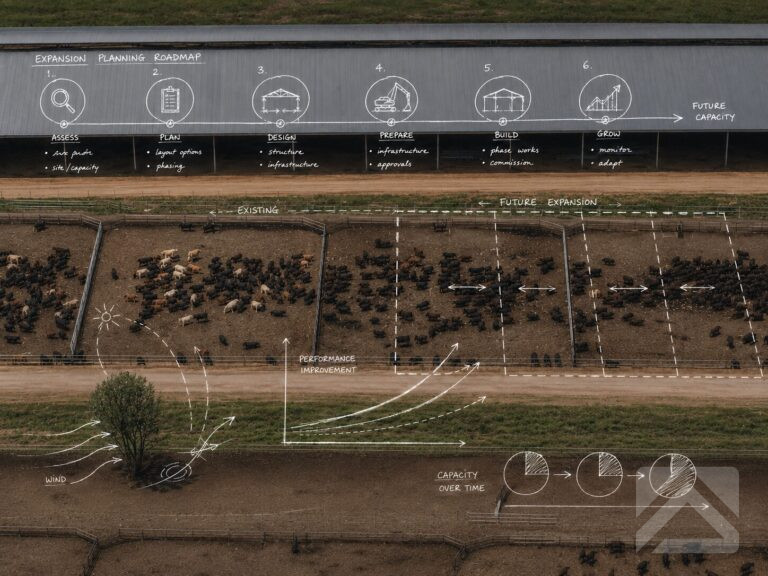
Future expansion
Allowing for staged development and operational growth without compromising the efficiency of the existing layout.
Operational efficiency
Designing infrastructure that supports feeding, maintenance, cleaning and livestock handling while reducing unnecessary labour and disruption.
Long-term investment
Making structural decisions that continue delivering value as your operation evolves.
Why Partner With TechSpan?
Planning feedlot infrastructure requires balancing livestock welfare, operational efficiency, structural performance and long-term investment. Every decision, from layout and ventilation through to future expansion, contributes to how effectively your feedlot will perform for years to come.
At TechSpan, we don't approach feedlots as simply another building project. We work alongside producers to understand how their operation functions before structural design begins, helping align engineering with practical day-to-day requirements.
Whether you're developing a new feedlot, expanding existing infrastructure or planning a staged rollout, our 3C Advantage helps create feedlot solutions designed around your operation, your site and your long-term objectives.
Solutions We Deliver
Our feedlot solutions can include:
- Covered Feeding Areas
Designed to help manage environmental conditions while supporting livestock welfare and efficient feeding operations. - Feedlot Layout Design
Structural layouts planned around livestock movement, machinery access and operational workflows. - Engineered Feedlot Structures
Independently engineered to suit Australian conditions, operational requirements and long-term structural performance. - Future Expansion Planning
Flexible structural solutions that allow staged development as your operation grows.
Designed Around Your Operation
No two feedlot sites present the same opportunities or constraints. Site topography, prevailing winds, stocking density, drainage, operational workflows and future expansion all influence the most effective structural solution.
Our design process considers the factors that have the greatest impact on long-term feedlot performance, helping create infrastructure that works with your operation rather than around it.
Our design process considers:
- Livestock numbers, stocking density and future capacity.
- Building orientation, natural ventilation and shade coverage.
- Feed delivery, machinery access and operational workflows.
- Livestock movement and handling requirements.
- Drainage, runoff management and site conditions.
- Staged development and future expansion opportunities.
- Structural performance and long-term operational efficiency.
Tailored to Your Operation
Whether you're building your first covered feedlot or expanding an established operation, every project starts with understanding how your business works today and how it may grow in the future.
We can support projects including:
- New feedlot developments.
- Feedlot expansions and staged growth.
- Covered feeding and livestock shelter solutions.
- Integrated livestock production facilities.
- Upgrades to existing feedlot infrastructure.
- Structural solutions designed around future operational growth.
Built for Long-Term Performance
Feedlot infrastructure operates in one of Australia's most demanding environments. Constant livestock activity, machinery movement and exposure to moisture, dust and corrosive conditions all place ongoing demands on the structure.
That's why every TechSpan feedlot solution is independently engineered and manufactured using quality Australian structural steel, with durability, maintainability and long-term performance considered from the very beginning.
Every TechSpan feedlot solution is:
- Independently engineered and certified.
- Manufactured in Australia using quality structural steel.
- Designed for demanding feedlot environments.
- Built to support reliable day-to-day operations.
- Planned with future expansion in mind.
- Designed to deliver long-term value throughout the life of your operation.
TechSpan snapshot

25+
Years of building bigger shed solutions, smarter

2400m2
Manufacturing facility with gantry cranes

1500+
Projects delivered across Australia

50+
Trusted build partners nationwide


100%
Australian owned & operated
Why Early Planning Matters
The decisions made before construction begins often have the greatest influence on how a feedlot performs over its lifetime. While the structure itself is important, it's the planning behind it that helps create an operation that supports livestock welfare, efficient day-to-day management and long-term growth.
The best feedlot projects don't begin with construction. They begin with informed planning.
Considering building orientation, ventilation, livestock movement, drainage, operational workflows and future expansion before engineering begins helps reduce risk, improve coordination and create infrastructure that supports your operation well into the future.
Planning ahead also helps:
- Make informed structural decisions before construction begins.
- Improve livestock welfare through considered design.
- Create efficient layouts that support day-to-day operations.
- Integrate drainage and future expansion into the overall site plan.
- Reduce costly design changes later in the project.
- Maximise the long-term value of your investment.
Whether you're developing a new feedlot or expanding an existing operation, we're here to help you make the right decisions from the start.
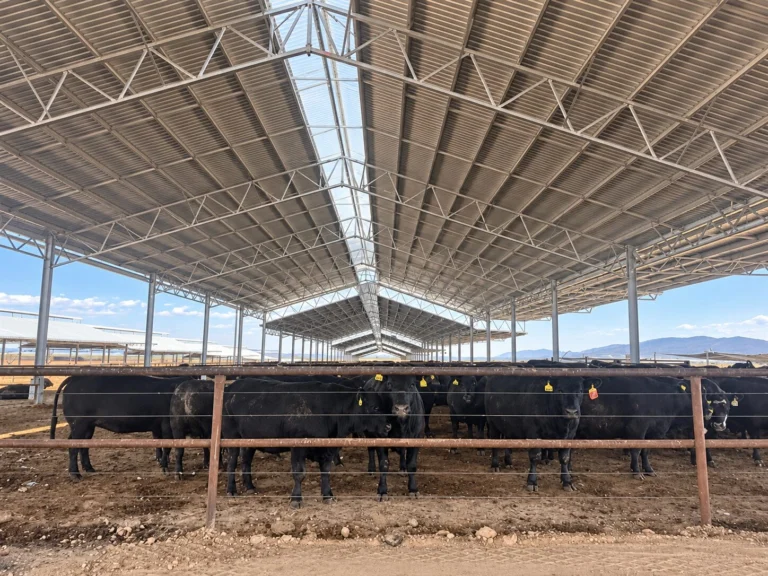
Retrofitting Covered Housing Over an Existing Feedlot: What Needs to Be Considered?
Investing in Feedlot Infrastructure: What Australia’s Growth Means for Future Facilities